


jdace | Exploring the World of Simulation Games: More Than Just Virtual Reality
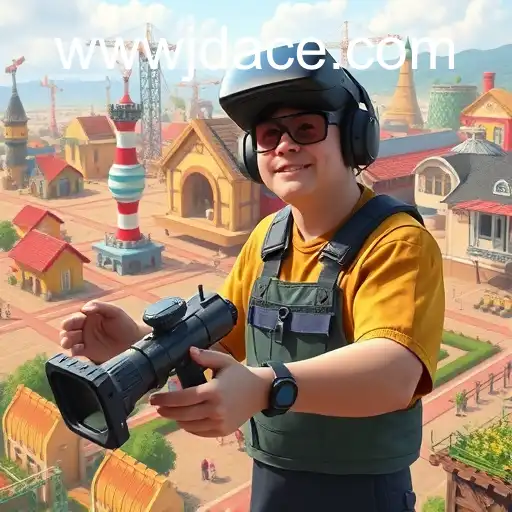
Simulation games have carved a unique niche within the gaming industry, offering players the ability to interact with and control a variety of virtual environments that replicate real-world or fantastical systems. This genre's appeal lies in its versatility, providing experiences that range from the everyday to the extraordinary, allowing gamers to step into different roles, explore new worlds, and engage in activities they might not otherwise encounter in real life.
At the heart of simulation games is the focus on replicating genuine experiences with authenticity. Whether it's the meticulous management of a city's infrastructure in games like SimCity or the serene yet demanding life of a farmer in Farming Simulator, players are thrust into activities where strategy and decision-making are paramount. Each game within this category presents its own set of challenges and rewards, often requiring players to think critically and manage resources wisely.
One of the key factors that sets simulation games apart from other genres is the level of immersion they provide. Players are given a sandbox-like environment where they can experiment and explore at their own pace. This open-ended nature of simulation games means that there are no rigid paths to follow, allowing players the freedom to carve out their own stories and experiences. From building a thriving society in Civilization to running a successful theme park in RollerCoaster Tycoon, the sandbox element is a core component that continues to draw players to this genre.
Another significant aspect of simulation games is their educational potential. Many of these games are designed with education in mind, offering insights into complex systems such as economics, biology, and urban planning. For example, games like Kerbal Space Program allow players to learn about the fundamentals of rocket science and spacecraft design in a fun and engaging manner. This educational twist not only entertains but also provides a valuable learning experience, making simulation games an excellent tool for both fun and education.
The simulation genre's appeal is further heightened by advancements in technology. The rise of virtual reality (VR) and augmented reality (AR) has opened new frontiers for simulation games, providing even deeper levels of immersion and interaction. Imagine piloting a spacecraft in a fully realized 3D space or managing a bustling kitchen where you can physically reach out to interact with your environment. These technological advancements continue to push the boundaries of what simulation games can achieve, offering players unprecedented levels of engagement.
In conclusion, simulation games stand out as a cornerstone of the gaming world, boasting a rich tapestry of experiences that cater to a wide range of interests and curiosities. Whether for entertainment, education, or exploration, the world of simulation games is a dynamic and evolving landscape that continues to captivate players of all ages.
